Trade surveillance
Market conduct in the US: An evolving regulatory landscape

Douglas Moffat
•
Vice President, Americas
October 31, 2023
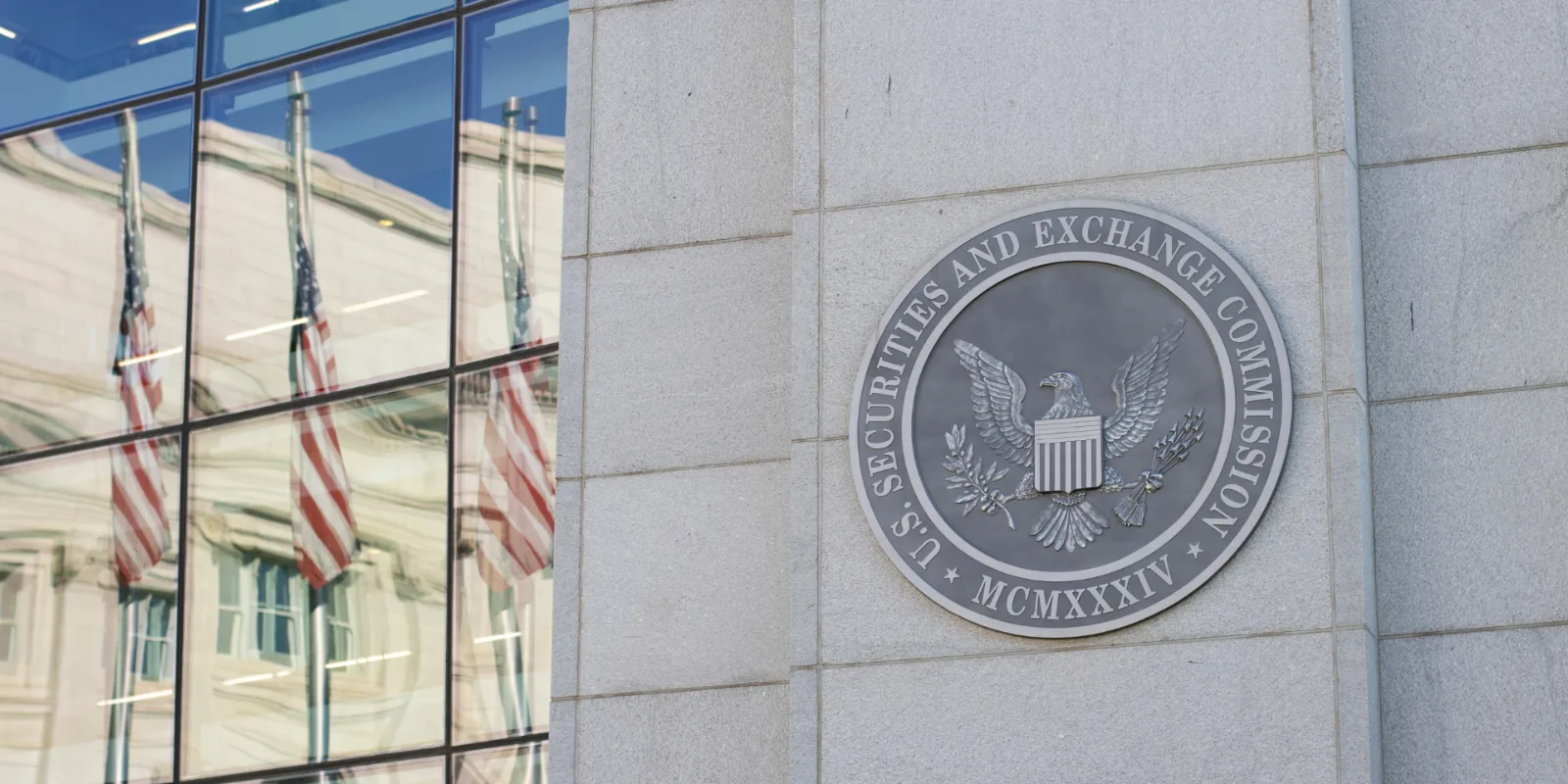
Since being nominated chair of the U.S. Securities and Exchange Commission, Gary Gensler has made it a priority to strengthen regulation over US firms. This approach beckons firms to rethink their strategies and bolster their compliance infrastructures.
Over the past few decades, the US financial sector has witnessed unprecedented growth, diversification, and complexity. As markets expanded, so too did the challenges associated with ensuring transparency, fairness, and investor protection. Historically, while regulations played a crucial role in maintaining market integrity, certain gaps and grey areas increased the potential for abuse and manipulation.
The Trump era witnessed a push for deregulation in many sectors, including finance. However, the winds of change have been blowing hard since Gary Gensler took over the helm at the SEC. Gensler's tenure has seen a regulatory blitz, reminiscent of the agency's response to the 2008 global financial crisis. With a whopping 47 rule proposals impacting market participants, many of which weren't mandated by congressional legislation, Gensler’s approach signals a paradigm shift
These changes serve as a clear call for market participants. The subsequent wave beckons firms to rethink their strategies and bolster their compliance infrastructures. As the SEC adapts to modern market dynamics and challenges, the era of laissez-faire seems to be on its way out, replaced by a new age of proactive oversight and diligence.
In this blog, we explain and assess the impact of developments by the SEC under Gensler's leadership:
In a significant move to strengthen market transparency and fairness, the US Securities and Exchange Commission (SEC) has broadened the oversight scope of the Financial Industry Regulatory Authority (FINRA). Historically, proprietary trading firms (PTFs) that conducted their trading activities solely on exchanges were exempt from the oversight of FINRA. This exemption was based on the understanding that these firms were trading exclusively on centralised exchanges where there was already a certain level of transparency and oversight. However, an evolution in trading behaviour has led to a situation where, despite participating in off-exchange activities, some PTFs are still operating under the original exemption - constituting a “regulatory gap”.
The SEC’s amendments are set to remove this exemption, and thereby close the gap, compelling these firms to now register under the new regulations. The objective is clear: to bring previously unmonitored trading activities into the light, levelling the playing field across firms.
SEC Chair Gary Gensler underscored the importance of this measure, remarking, “Today [23 August 2023], a significant portion of broker-dealers participate in cross-exchange or off-exchange trading. Yet, they lean on an exemption from national securities association registration that pre-dates the cell phone era. This has carved out a regulatory void, where firms with monthly trading volumes amounting to hundreds of billions stand outside the national securities association oversight.”
As PTFs transition from being registered solely with exchanges to falling under the purview of FINRA, several new requirements and responsibilities come into play. The most significant of these include:
The landscape of regulatory requirements for broker-dealers is on the cusp of transformation. The SEC has recently unveiled its proposed "Regulation Best Execution." While best execution as a principle is not novel, the depth and breadth of this proposed regulation marks a significant shift. Here's a closer look at what's on the horizon:
The proposed regulation is consistent with existing FINRA and Municipal Securities Rulemaking Board (MSRB) best execution rules in some ways, but goes beyond them in imposing additional/more specific requirements in certain areas. This means even firms with best execution policies in place will need to ramp up their efforts to ensure compliance.
In light of past enforcement issues surrounding best execution, including hefty fines and thematic review findings, this proposed regulation serves as both a reminder and a warning. Broker-dealers should proactively gauge the impact of the proposed regulation, refining existing policies and bracing for the incorporation of newer, more rigorous standards.
On June 7 2023, the SEC adopted rules to prevent fraud in security-based swaps (SBS) and protect the autonomy of chief compliance officers (CCOs) for certain SBS entities. Rule 9j-1 targets fraud, manipulation, and insider trading linked to SBS, adding specificity to existing securities prohibitions. Key changes:
Additionally, Rule 15fh-4(c) safeguards the independence of CCOs at SBS entities by forbidding coercion or manipulation by entity personnel.
These rules underscore the SEC's objective to refine the securities-based swap (SBS) market's integrity. Given its comprehensive coverage, firms must be proactive to ensure they remain compliant:
Under Gensler's proactive leadership at the SEC, the US regulatory framework is rapidly evolving. This shift underscores the need for firms to leverage advanced technology. Firms must adopt technology that meticulously addresses specific market concerns like best execution while also being versatile enough to adapt to wider regulatory shifts, especially as transparency demands influence a wide range of areas such as record-keeping, periodic reviews, and reporting.