Trade surveillance
Why an order book replay is an essential component of a holistic trade surveillance strategy

Michael Channing
•
Head of Sales, UK & EMEA
November 12, 2024
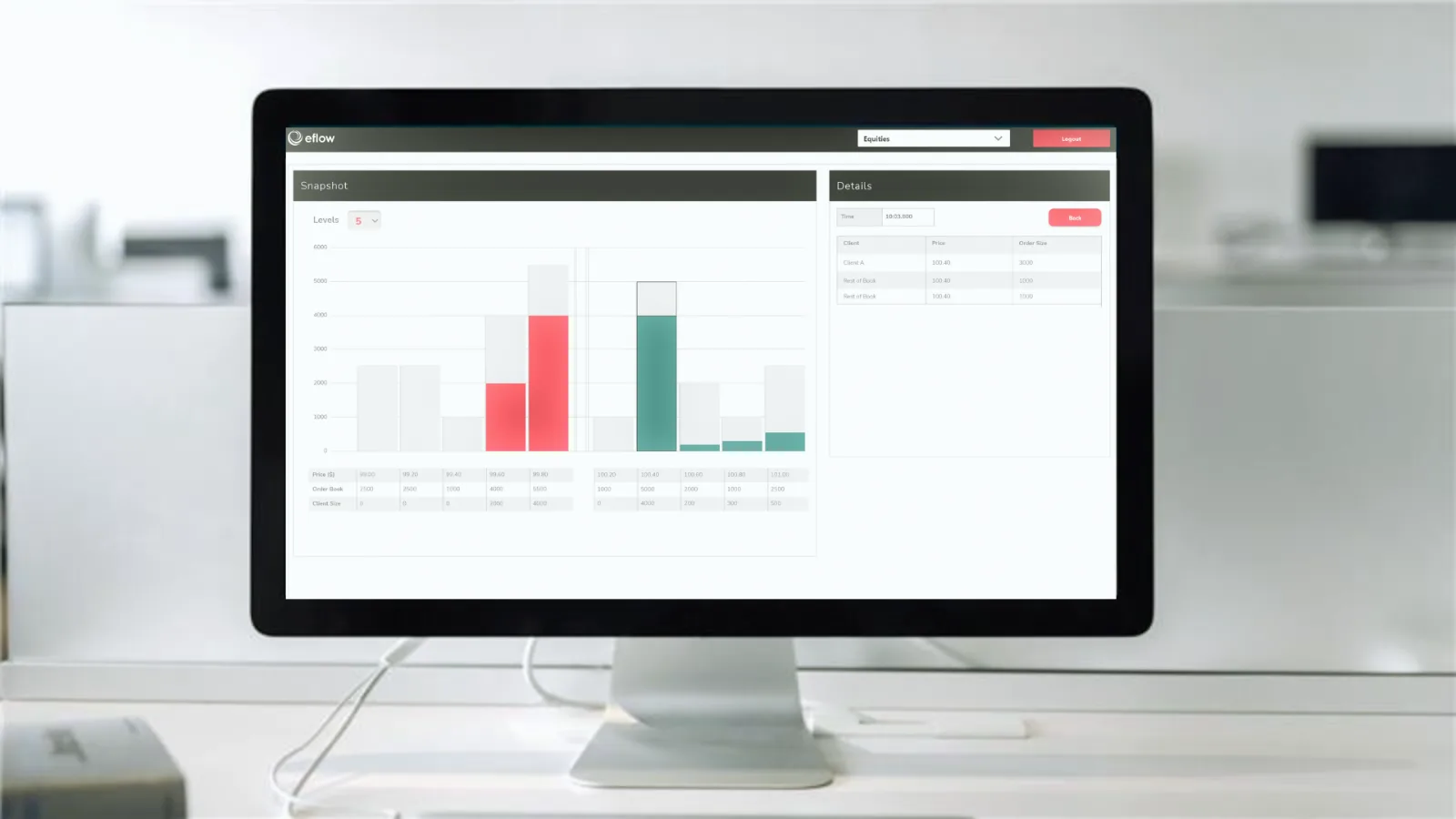
As manipulative trading activity grows in sophistication, many firms now face the need to investigate potentially suspicious behaviour that is no longer at the top of the order book, which is where an order book replay comes in.
In a world of complex financial markets, ensuring fair trading practices is paramount. One essential tool in this endeavour is the order book replay – a way to step back in time and examine the sequence of buy and sell orders at various prices within a specific time frame.
By analysing these historical snapshots, compliance teams can gain invaluable insights into the dynamics of a particular instrument around a given point in time, enabling them to detect unusual or suspicious patterns that may indicate market manipulation or other forms of abusive trading. Order book replays can also help compliance officers better understand the legitimate dynamics behind trading alerts, serving to reduce alert fatigue caused by false positives.
But that’s just the tip of the iceberg.
There is no disputing that standalone order book surveillance offers a valuable level of insight into order flow. There are a variety of order book surveillance solutions available to firms that offer both real-time and historical analysis of order data. These solutions can enable firms to detect suspicious patterns or anomalies within the order book, such as layering or spoofing, where traders place orders they intend to cancel to create false impressions of supply or demand.
However, standalone order book surveillance does have its limitations. By focusing primarily on orders, these systems may miss abusive behaviours that are only apparent when considering additional data sources, such as market data from the wider market, trade data, transaction reporting, and eComms surveillance.
For this reason, a holistic approach to trade surveillance that combines multiple data sources including (but not limited to) order data, trade data and market data offers a more comprehensive view of trading activity and can improve a firm’s ability to detect market abuse and other suspicious activity.
An order book replay, when integrated into a holistic surveillance solution, can provide a rich contextual picture of trading activity. By reconstructing the state of the order book at any given time, and cross referencing it against trades, surveillance systems can detect subtle forms of manipulation that might be invisible when looking at order data in isolation.
By way of a working example, consider the following scenario:
An alert triggers the detection of a series of large buy orders placed and quickly cancelled over a short period. The compliance officer reviews the order data but sees no clear pattern of market manipulation. They consult the order book replay, which shows that the large buy orders were consistently placed just before significant sell orders from other market participants. Looking at the execution data, the compliance officer notices that the firm’s sell orders were executed at increasingly favourable prices during this period. The order book replay, combined with the trade data, reveals a potential layering strategy where the large buy orders were intended to create the false appearance of demand, pushing prices up, and allowing the trader to sell at higher prices.
This example illustrates how an order book replay, in conjunction with trade data, order data, and market data, can help compliance teams identify sophisticated manipulation strategies. By providing a more complete picture of trading activity, holistic trade surveillance solutions can better protect firms and the broader market from potential abuse.
At eflow, our surveillance technology harnesses the power of order book replay as an integral component of our holistic trade surveillance ecosystem. Leveraging our comprehensive market data store of more than 250 market data venues, we correlate order flow with broader market movements, enabling our algorithms to identify anomalies that might otherwise go undetected.
Our order book replay empowers compliance professionals by offering a highly intuitive visual depiction of the state of any given order book at a precise point in time. This visual approach makes it easier to spot irregular patterns and understand the context behind potentially suspicious trading activities.
The importance of correlating order flow with market data cannot be overstated. By analysing order book dynamics alongside real-time and historical market data, we create a multi-dimensional view of trading activity. This approach allows our team to detect both overt and subtle forms of market manipulation, ensuring the highest levels of market integrity.
Book a consultation with one of our experts or learn more about eflow’s suite of regulatory technology solutions.